Posted on

When Should Tennis Players Take Time Off if They Become Sick: the Balancing Act

At times a player/athlete may indicate symptoms akin to being ‘sick’ when they’re otherwise healthy. Symptoms typical of a cold and/or flu may present themselves in varying forms during times when the player/athlete has a vigorous and/or extensive training load with limited periods of rest — if at all. These are key indicators of over-training that should be taken seriously — including time off with the necessary rest. Whilst general ‘sickness’ happens to the best of us, these symptoms can come about in otherwise healthy individuals when their training hasn’t factored in periods of rest. And that underlines the importance of periodisation…

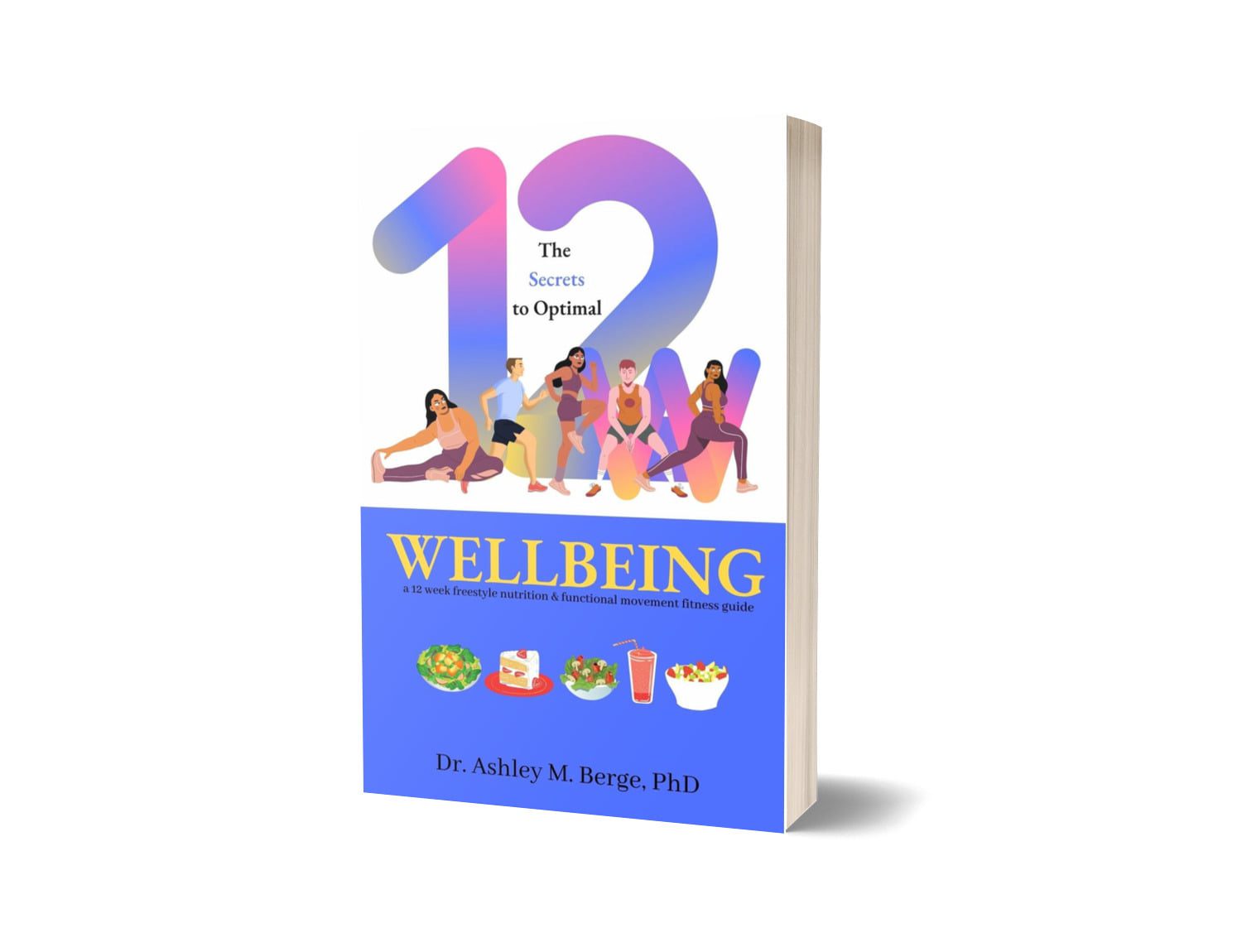
To read the full article please consider supporting my work through my new Book (pending release late 2024) that incorporates a variety of my writing — Dr Berge 

To learn more about our data, predictive analytics and how to optimise your own performance, head on over to AM8 International. To learn more about AM8 International check out our selection of Books and/or options to join Dr B’s Pack to gain exclusive access to the best in the world. Not quite ready? Head on over to Beyond Top 10 Tennis for free access to 100+ episodes directly from Dr Berge of what it really takes to win multiple Grand Slams to securing that Top 10 tennis ranking with new episodes each week. More? Catch up on our Tips over on TikTokTwitterThreads or Instagram for quick snippets to apply in your game, today.

Posted on

Body Image, Self-Worth and Tennis Players: A Coach’s Responsibility

How a tennis player sees themselves matters. How an individual sees themselves matters. How a human sees themselves matters. And this includes how a child sees themselves — it matters. Irrespective of the level of play, oftentimes this level is associated with a players/athletes self-worth. This needs to stop. How a player/athlete sees themselves starts from an early age and stay with them as they mature — shaped by those they’re exposed to and the commentary of those around them. Unfortunately, it is not always positive. At the same rate, those that are ‘around’ a player/athlete can be incredibly broad due to the role of social media throughout the past decade which has grown to influence developmental players/athletes and higher — impacting the way they see themselves.

Whilst this topic is a significant one in itself and is much broader than the tennis courts and/or developmental cycle of a player/athlete, it is just as important and applicable. The commentary of those around a player/athlete can be controlled to an extent when they’re in an environment where they feel safe, valued and heard. It remains a coaches responsibility to shape this environment and to ensure it is conducive to not simply a player’s performance but also their general wellbeing which happens to include their self-worth.

This means the language used around players/athletes matters. It is also means any commentary of a players/athletes body is not applicable — it is out of bounds. And this applies for coaches and fellow players/athletes.

It should be common  knowledge that comments on a child’s and/or adolescents body is off limits. Those inside this demographic are often within the developmental cycle — progressing through their initial 10 Years of Play and adhering to The Pathway before they undertake The Long Game after this initial period. For those players/athletes who are in their ‘second’ decade of play, this doesn’t mean that they’re any less susceptible to this commentary and/or that it is appropriate. Rather, the commentary oftentimes is amplified with misconceptions around performance metrics and progressions associated with being, for example, smaller and/or more muscular. 

Once a player/athlete progresses to that next level and they’re beginning to nudge closer towards the Top 10 — be that Top 200 to Top 80 as their sights are set on steadily progressing, they’re also more exposed to a larger audience and safeguarding players/athletes should still remain front and centre irrespective of the stage of development. By all means, the younger a player the more vulnerable and concrete steps should be in place to ensure the players/athletes overall wellbeing is front and centre. However, the message remains clear…

…safeguarding players/athletes is a priority throughout these years be it 6 years of age through to 16 years of age (plus) it remains absolutely the number one priority ‘behind’ performance.

How does this relate to body image through to self-worth? Simple. A players/athletes appearance needs to be off the table — removed from the equation. It is the performance that counts. Commentary on a players/athletes body image can cause negative emotions for their self-worth. The same applies if a players/athletes performance it put before their self-worth. And I get it — it can get a little tricky and confusing but not if the correct protocols are put in place and followed. At the end of the day all players/athletes should be treated equal — irrespective of their level of play. And all players/athletes should be encouraged to support one another to contribute towards one another’s self-worth in positive ways that is not limited to a performance outcome. As for body image, there is zero data to support ‘one size’ is the ‘perfect size’ that is associated with a Top 10 tennis ranking. Zero. So any conversations around body image should be removed from the discussion. 

To learn more about our data, predictive analytics and how to optimise your own performance, head on over to AM8 International. To learn more about AM8 International check out our selection of Books and/or options to join Dr B’s Pack to gain exclusive access to the best in the world. Not quite ready? Head on over to Beyond Top 10 Tennis for free access to 100+ episodes directly from Dr Berge of what it really takes to win multiple Grand Slams to securing that Top 10 tennis ranking with new episodes each week. More? Catch up on our Tips over on TikTokTwitterThreads or Instagram for quick snippets to apply in your game, today.

Posted on

Hydration: Coconut Water, Soda Water, Energy Drinks and Sports Drinks — Which One?

When it comes to generalised advice on fluid replacement to ‘fuel’ your body in respect to remaining hydrated to replacing electrolytes, there are significant options to choose from that are accompanied by broad misconceptions. For this purpose it is incredibly important to frame this discussion towards the developmental player/athlete aged up to around 15-16 years of age as a ballpark and is yet to secure ITF, WTA and/or ATP points. In other words, you’re still developing towards your performance peak before taking the next step.

To the players who are beyond this range your fluid/hydration requirements will typically differ due to load, exertion and training duration. You may also be training in varied climates opposed to predominantly a singular venue that your body is use to i.e. their is limited need to adapt and condition a desired response…

To read the full article please consider supporting my work through my new Book (pending release late 2024) that incorporates a variety of my writing — Dr Berge 

To learn more about our data, predictive analytics and how to optimise your own performance, head on over to AM8 International. To learn more about AM8 International check out our selection of Books and/or options to join Dr B’s Pack to gain exclusive access to the best in the world. Not quite ready? Head on over to Beyond Top 10 Tennis for free access to 100+ episodes directly from Dr Berge of what it really takes to win multiple Grand Slams to securing that Top 10 tennis ranking with new episodes each week. More? Catch up on our Tips over on TikTokTwitterThreads or Instagram for quick snippets to apply in your game, today.

Posted on

Sweat: What it Tells You and What to Look for in the Tennis Player

The amount of perspiration any individual produces is typically a very good indicator of fluid loss and the need to replenish the body. More often than not this is common knowledge, in particular in adult populations, although it isn’t always the case in developing players/athletes through to younger adults. The irony here is that this is when/where an individual is ‘conditioned’ to replace this fluid loss — the period of time where a player/athlete learns how to keep on top of their performance through recovery.

The mistake that is often made and is carried with a player/athlete throughout their developmental years through to their transition into becoming young adults and embarking on the WTA and/or ATP tour is using this rate of perspiration as their sole indicator of fluid loss/replenishment. As shared in previous blogs to episodes, a ‘one-size-fits-all’ approach is quite dangerous especially when it comes to the human body and perspiration. The problem occurs in these younger years when a child’s perspiration rate is not the best indicator for fluid consumption. Due to the fact that younger players/athletes are in fact developing, this very terminology highlights that these players/athletes are changing — going through a period of ‘transformation’ whether prior to, during and/or after adolescence and their fluid requirements will tend to differ.

Whilst fluid replenishment is relatively clear when we consider perspiration, there are gaps and this is where the problems to danger arises. If used as a singular indicator, a player/athlete may not be replacing enough fluid and their performance and thus recovery will suffer. By the same account, a player/athlete who does not perspire as much as their peers and in turn does not consume similar amounts of fluid may lead to minor levels of dehydration. Why? Quite simply due to the fact that perspiration as an indicator does not replace energy expenditure and how an individual’s body reacts/responds to a given environment.

This mistake is often made in the cooler months whereby players/athletes do not perspire as much due to the colder climate. A hidden issue here is that if the same work-ratio is apparent, the body is in fact in need of near equal fluid replacement that will not be apparent externally. This is a big reason why perspiration alone is not an ideal indicator.

The key here is in the alone. There are many variables when it comes to performance and recovery and what works best for a given player/athlete. By all means, many players/athletes will have similar needs when it comes to perspiration but there are always exceptions to the rule. If these ‘exceptions’ are ignored they can pose real danger to those who need to learn what works best for them — their performance and recovery.

By conditioning a player/athlete to use their perspiration as one of many indicators allows them to learn more about their body and increase a general awareness around this topic. This not only is the beginning of the journey to ‘educating’ developmental players/athletes about the body’s needs to demands, it is progressively conditioning these players/athletes for The Long Game and how they look after their bodies to reach that next peak performance.

To learn more about our data, predictive analytics and how to optimise your own performance, head on over to AM8 International. To learn more about AM8 International check out our selection of Books and/or options to join Dr B’s Pack to gain exclusive access to the best in the world. Not quite ready? Head on over to Beyond Top 10 Tennis for free access to 100+ episodes directly from Dr Berge of what it really takes to win multiple Grand Slams to securing that Top 10 tennis ranking with new episodes each week. More? Catch up on our Tips over on TikTokTwitterThreads or Instagram for quick snippets to apply in your game, today.

Posted on

How to Coach the Warm-Up: an Underrated Necessity for Tennis Players

Not just for the tennis player and/or athlete, the warm-up is an overlooked proponent of health and wellbeing for all and is often neglected to understood which leaves quite a significant number of active populations susceptible to developing an injury. But this can be easily avoided with some simple steps put in place. First of which is understanding the overall function of your body and how you use your body in everyday life. For the player/athlete you have incredibly high demand requirements in contrast to more general active populations. For more mature demographics, you’re more likely to be wanting to maintain a level of strength to protect yourself and your body from potential ailments we become more susceptible towards later in life. And for the non-athlete yet active individual — from young adults to those in that middle demographic, you most likely have your sights set on general health and well-being and participate in weekly activities 3-5 times per week — classes through to committed runs, you place your overall physical fitness as a priority. 

For those of you who do not fit into one of these categories it’s an important reminder to ask yourself why given the daily requirements of your body — as simple as walking to getting up from a chair to couch or maintaining a level of strength to ensure your posture isn’t as compromised if you’re sitting at a desk on a regular basis. All of these ‘actions’ have a roll-on affect for how your body in turn responds. An example can be given from a simple squat to lunge that can enhance your balance through to your strength — ‘ease’ in getting up from a chair to picking something up off the floor you may have dropped.

Activity is a part of everyday life and those who do not participate in a form of activity on a regular basis are more susceptible to developing ailments later in life.

So where does the warm-up come in? The same applies for those who go ‘all out’ prior to warming their body up as they become more susceptible to the onset of injury. But do it right, and you’re doing your body a favour and for the players/athletes you’re also doing your performance a favour as you’re ‘preparing’ your body to ‘progress’ towards its next caliber in a manner of speaking. Let me explain. I’m sure everyone has experienced the difference of jumping in the air once, and then after a few times, they feel a little more ‘loose’ like your body could go for more? Or, remember high-jump when the bar started low and then increased? And for the tennis player, hopefully you recall hitting inside the service box before progressing back to the baseline. The simple rule here is akin to an elastic band (i.e. elastic energy). By starting small and in gradual increments ‘increasing’ your range and/or energy expenditure (i.e. strength) you’re preparing your body to work at a certain level to increase the outcome (i.e. performance). But if you avoid this ‘warming-up’ altogether, you’re not giving your body a chance to reach this level and by going ‘all-in’ from the get-go can stretch your body/muscles in contrast to them naturally ‘preparing’ for this level/load.

By implementing best practices that include a warm-up not only are players/athletes setting themselves up for more purposeful performances, they’re also safeguarding their bodies for the load ahead. For the general populations, irrespective which demographic you fall into, the same applies. Whilst you may not be looking to reach a peak performance, the gradual load you apply to your body to build strength, for example, is just as applicable when it comes to ‘over-stretching’ your muscles in contrast to progressing to this stage. A simple and yet easy trick for all.

To learn more about our data, predictive analytics and how to optimise your own performance, head on over to AM8 International. To learn more about AM8 International check out our selection of Books and/or options to join Dr B’s Pack to gain exclusive access to the best in the world. Not quite ready? Head on over to Beyond Top 10 Tennis for free access to 100+ episodes directly from Dr Berge of what it really takes to win multiple Grand Slams to securing that Top 10 tennis ranking with new episodes each week. More? Catch up on our Tips over on TikTokTwitterThreads or Instagram for quick snippets to apply in your game, today.