Posted on

NEW Book: Fundamental Skills for Tennis Players

Recall throughout The Secrets to Optimal Performance Success that both Discrete and Serial Skills were discussed and the disadvantages children through to younger adults face in today’s world when these are neglected. Put simply, in generations past most children were encouraged to play outside and inadvertently learn new skills that would ultimately comprise of key fundamental skills that act as the building blocks for future skills. Fast-forward a generation and not every adult let alone child has the capacity to confidently catch a ball with their dominant hand, let alone their non-dominant hand.

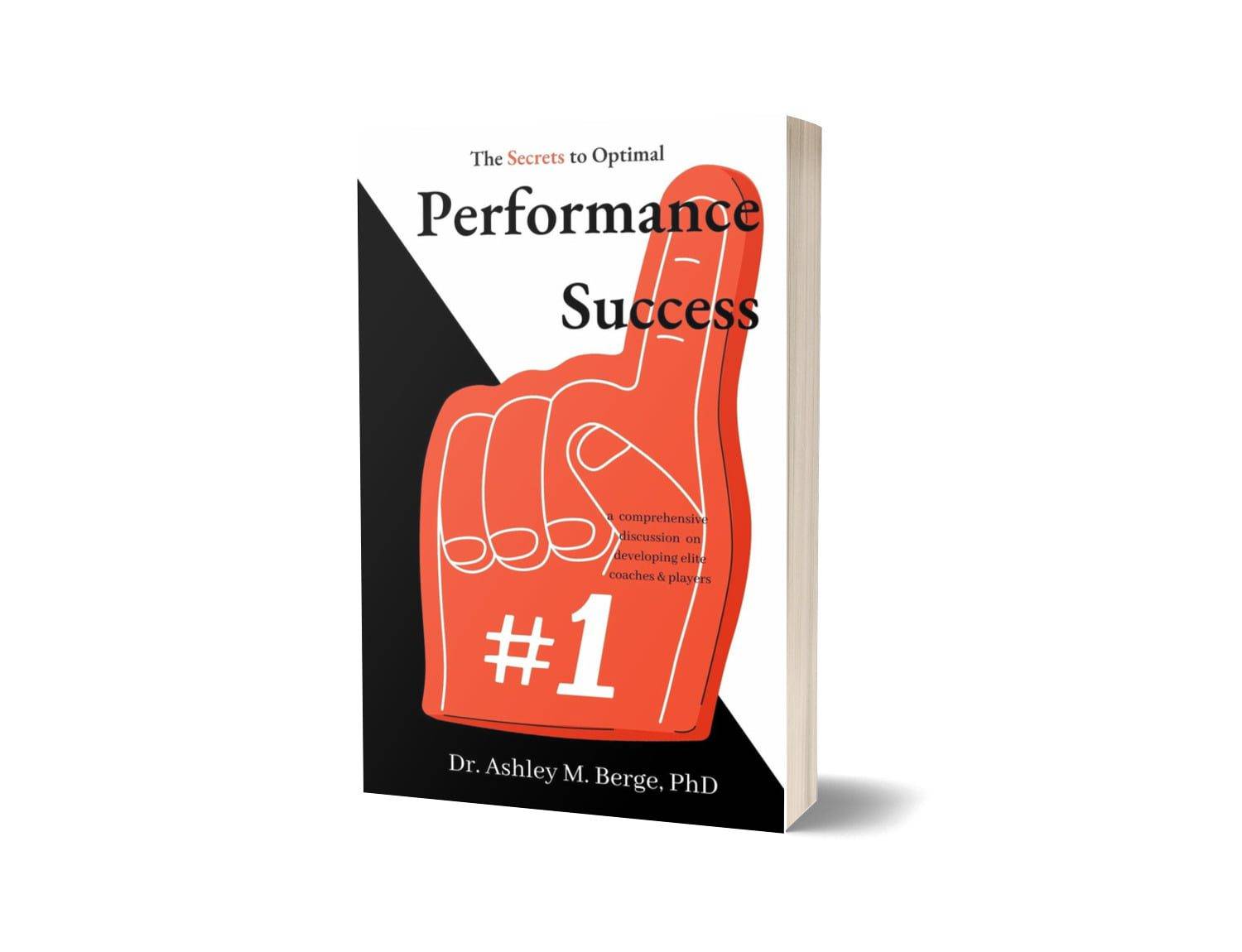
These once thought of basic and fundamental skills are no longer as common place as they once use to be and this causes concern for the developing player with new strategies needed. And this is where our NEW Book being shared: The Secrets to Optimal Coaching Success begins as it addresses Fundamental Skills and their role in the developing and/or advancing player/athlete…

To read the full article please consider supporting my work through my new Book (pending release late 2024) that incorporates a variety of my writing — Dr Berge 

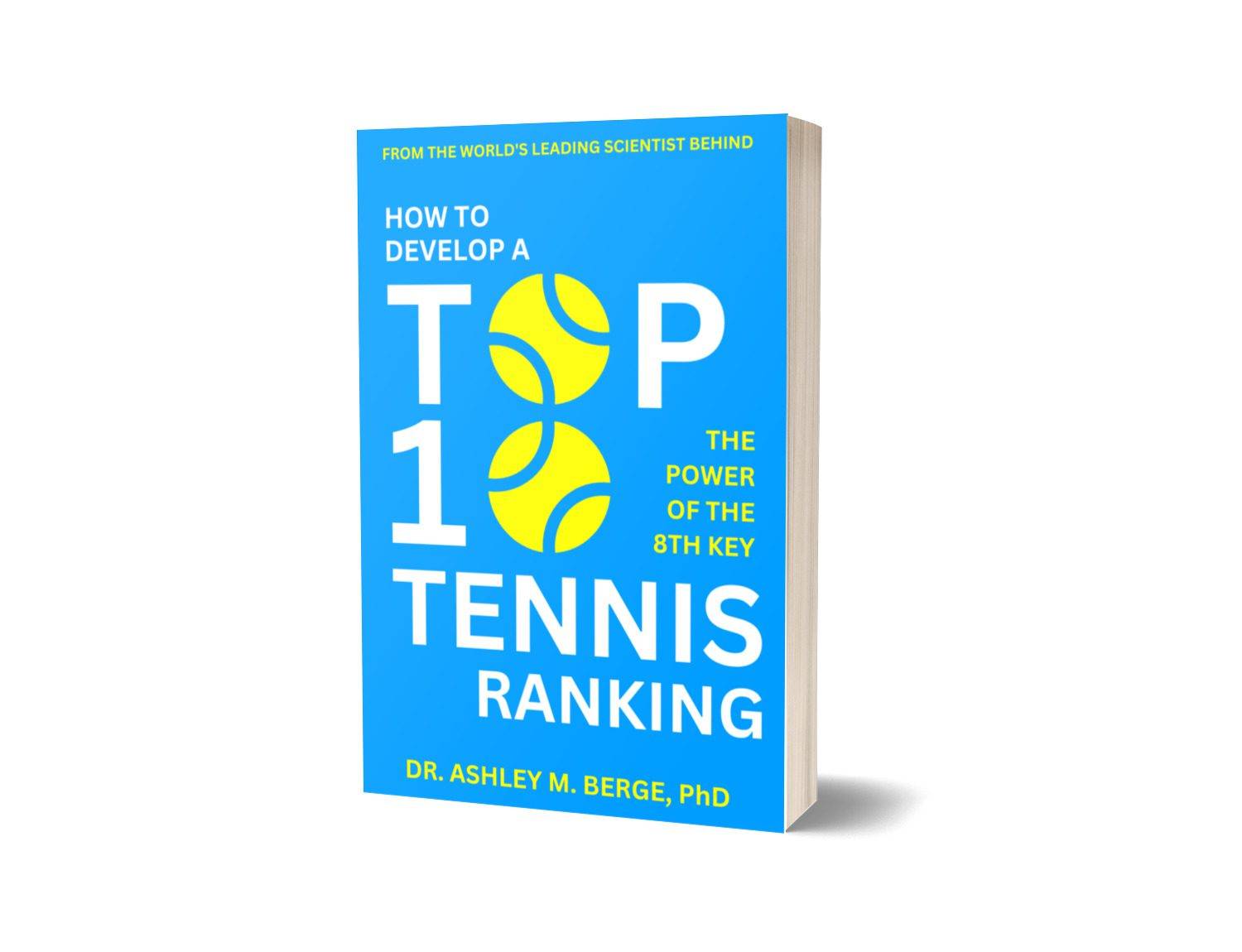
To learn more about our data, predictive analytics and how to optimise your own performance, head on over to AM8 International. To learn more about AM8 International check out our selection of Books and/or options to join Dr B’s Pack to gain exclusive access to the best in the world. Not quite ready? Head on over to Beyond Top 10 Tennis for free access to 100+ episodes directly from Dr Berge of what it really takes to win multiple Grand Slams to securing that Top 10 tennis ranking with new episodes each week. More? Catch up on our Tips over on TikTokTwitterThreads or Instagram for quick snippets to apply in your game, today.

Posted on

Revisiting the Coach-Athlete Relationship Part 5: Developing an Elite Tennis Player

Following on from our previous discussion on the Coach-Athlete relationship and some concluding thought on this Chapter, it’s incredibly important to be mindful of how these key sections fit together in the The Secrets to Optimal Performance Success. The coach-parent relationship has to be one of my absolute favourites, although if I’m being honest, most of them are really powerful and hold equal weight. But for this particular one, it can get a little complex to misunderstood so here is a little extra clarity: no, this doesn’t necessarily mean your own parent and/or parents. Most of the time I try to include ‘guardian’ alongside parent, the same applies to player as ‘athlete’ is often featured at the same time. The thing is, some parents just aren’t going to be available due to competing priorities. This doesn’t mean for the player/athlete that their performance isn’t cared about and/or for, but it really comes down to time and/or availability. This is where it becomes important for the parents and/or guardians to have that conversation with their child to share this so they genuinely know why.

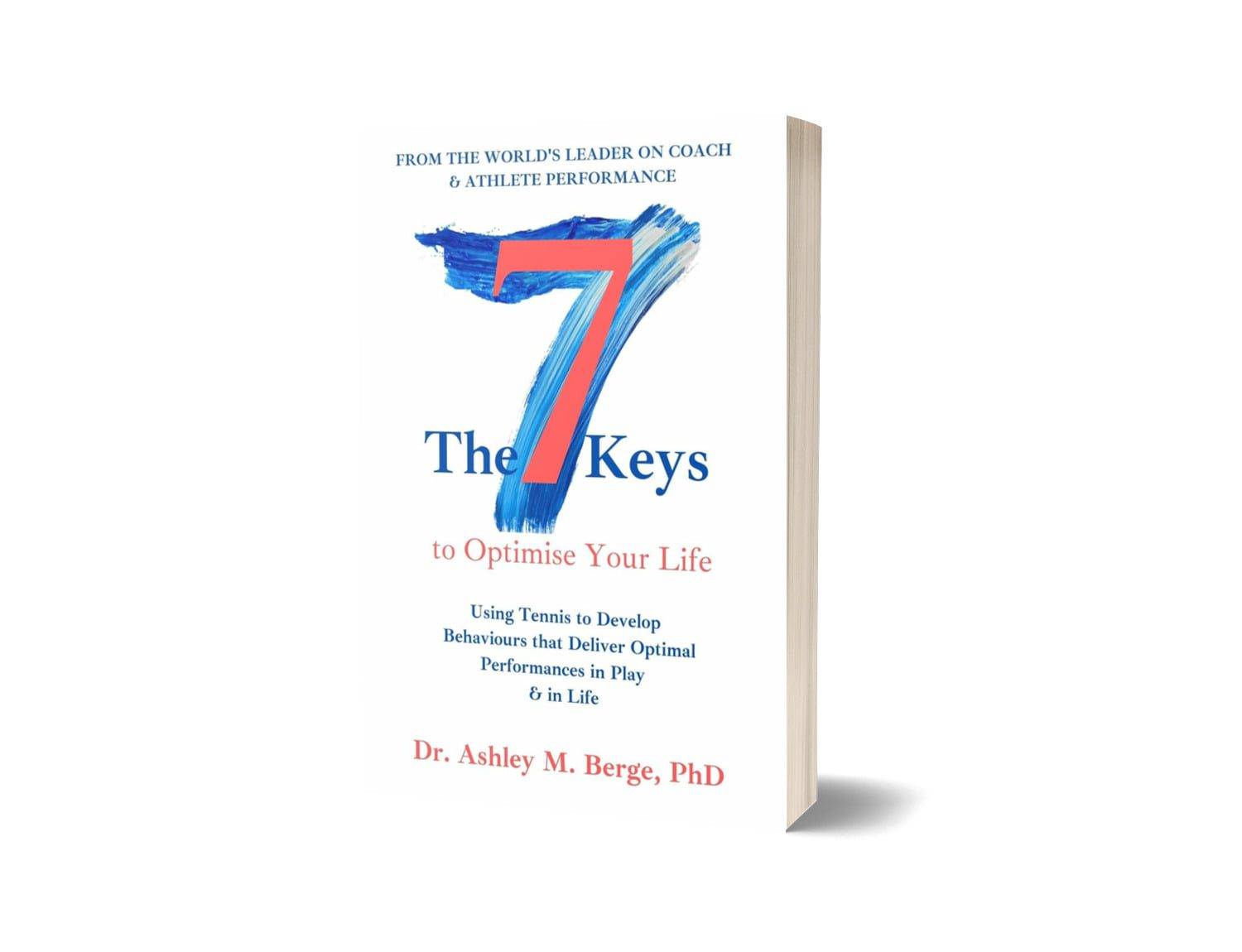
The next step from here is making sure there is someone else that can contribute towards the coach-parent relationship. After all, this is really an adult figure that can help the player/athlete navigate through some key decisions. One of these was really run home in Part 4 in revisiting Hiring and Firing Your Coach — it needs to happen sooner or later for most players/athletes and having an adult that understands them and their needs per the 7 Keys is incredibly helpful to guide the player/athlete on what’s best for them and their future endeavours.

Other segments of the Chapter were revisited in Episode 49 with some powerful associations. This includes Talent Identification and how often it does not serve the purpose of helping a player through The Pathway for the simple reason that it does not adhere to the principles of the Coach-Athlete relationship. Without these expectations being managed, these systems can be attributed towards Depression and Anxiety in Sport if too much emphasis is placed on outcomes opposed to steadily reaching that next peak performance cycle.

Nonetheless, this is just one of many varying aspects of the Coach-Athlete relationship that has behavioural implications for the developmental player/athlete and those they’re learning from — directly and/or indirectly.

This includes in-person interactions to those online and where social media plays a very ‘new’ role in a child’s development in contrast to a decade or two prior. Being mindful of these implications is incredibly important to lead by example for both parents and/or guardians and for coaches. This is where the tie to Player Behaviour can shift towards a coaches responsibility if they’re not leading by example.

Mental Stability is a constant at all stages of development and includes physical, emotional and mental wellbeing to ensure the whole athlete is considered opposed to a one dimensional view. This comes full circle to ensure both sides of the Coach-Athlete relationship are considered — the more easily management and apparent: performance based, to those that might not be as easy, oftentimes outside a coaches comfort zone: mental wellbeing. But here’s the thing, it really ‘can’ be inside a coaches comfort zone if the language is flipped to centre on mental conditioning and to work as a team to build more resilient outcomes whilst talking through expectations to ensure they remain within a manageable range. If this is not adhered to, pressure can mount quite rapidly and the player can become vulnerable to external influences.

Each child is impressionable to their surroundings and the tennis player is no different. Sure, these influences will change over the years, but the player/athelte still remains vulnerable to these susceptibilities if boundaries are not put in place.

Which brings the spotlight back to boundaries and ensuring these are in place to better protect the overall development of the player/athlete and as shared in Part 4 through referencing to negative noise and associated implications. But there is light at the end of the tunnel. In more recent years, the current Top 10 and higher stature players have started to speak out on the impact of negative noise often experienced through social media and only good things can come of this increasing level of awareness. Drawing attention towards the player/athlete and their overall wellbeing now will help put in place strategies that can be implemented in earlier years to better manage these tools/platforms whilst ideally mitigating the negative noise — irrespective if a player is ranked inside the Top 10, Top 50 or is a developing player. Players/athletes deserve a safe space to perform and the ability to quiet unwanted noise.

To learn more about our data, predictive analytics and how to optimise your own performance, head on over to AM8 International. To learn more about AM8 International check out our selection of Books and/or options to join Dr B’s Pack to gain exclusive access to the best in the world. Not quite ready? Head on over to Beyond Top 10 Tennis for free access to 100+ episodes directly from Dr Berge of what it really takes to win multiple Grand Slams to securing that Top 10 tennis ranking with new episodes each week. More? Catch up on our Tips over on TikTokTwitterThreads or Instagram for quick snippets to apply in your game, today.

Posted on

Revisiting the Coach-Athlete Relationship Part 4: Developing an Elite Tennis Player

After sharing additional insights on all other sections of the initial chapter of The Secrets to Optimal Performance Success, the topic of Performance Expectations really showcases how ‘pressure’ remains a constant throughout play irrespective of what stage of development to progression and/or topic is being discussed. This underpins why key steps need to be put in place to remove the negative noise. A discussion in and of itself, the idea of protecting your inner circle is incredibly true in attempt to mitigate negative implications from external people who do not support and/or are not conductive for your performance. This applies to the tennis player in equal parts to individuals as a wider practice to be conscious of and safeguard your own internal compass against this type of noise.

One of the biggest culprits of negative noise with quite alarming trends in each demographic worldwide becomes apparent on social media. Unfortunately, most players/athletes are a part of one, if not multiple social media platforms and their direct inner circle — those inside the triangular relationship: parents and/or guardians and the player’s coach, often are also using these platforms. In other words, no one is void from this type of noise. Each person within any given inner circle has a role to play — a responsibility, to ensure the player/athlete in this context maintains their course along The Pathway and that any potential form of negative noise is minimised. This is more simple than perhaps thought as while each person is susceptible to the influences of social media and their own respective version of negative noice, a greater awareness of this and steps in place can in fact limit this impact with the right inner circle in place.

Keeping the player/athlete at the forefront remains key, especially if this player/athlete remains inside the scope of the developmental spectrum. This age range is not only more susceptible to negative noise but are equally as impressionable to negative influences. Interestingly and often ignored is that poor behaviours that a player/athlete may exhibit have oftentimes been picked up from their inner circle. The more concerning aspect with social media is that this broadens an individual’s inner circle if controls are not enforced (think boundaries) to protect that developing child and their susceptibility to view right and wrong (albeit simplified). An interesting conversation to be had.

Turning to child psychology to human behaviour, it is well known the levels of susceptibility to impressionability in the developing child. Rather, this is the age range where they’re learning ‘good’ and ‘bad’ and they will continue along this learning curve until their later years into adulthood. Of equal importance is that this still rings true for young adults who are continuing to pave their way in the world — sporting or otherwise. This highlights the role of social media at all ages — particularly within these earlier years, whether child to maturing adult, that impressionability is still an active behaviour that most are susceptible towards and that trends on social media to interacting with others should be cautioned if any such ‘right’ and/or ‘wrong’ debate is brought to the surface. By keeping that inner circle tight knit affords a level of guidance to gently nudge players/athletes in the desired direction opposed to deviating and becoming susceptible to a new fad and/or otherwise misstep.

Irrespective of your age, social media does leave you susceptible to impressions and the more frequently these are viewed, your scope of understanding may become fractured in particular if your inner circle leans towards these views.

A players/athletes behaviours and what shapes them should be well accounted for whilst the parent and/or guardian remains mindful of these influences. This includes the varying facets of the Coach-Athlete relationship that have now been discussed and revisited throughout this Chapter, including the coach-parent relationship and the power of establishing the triangular relationship. Keeping in tune with placing the child at the forefront is the choice of hiring and firing your coach — giving the player/athlete a level of responsibility to learn what is helpful for their inner circle and what might not be as effective. By being encouraged to make these decisions early on helps the player/athlete with their decision making processes but also keeps them accountable to their choices in respect to their coach. That is, a player/athlete should be encouraged to decide who fits their game best and who should be included in their inner circle — with the help of their parent and/or guardian, and if their current coach falls into the less than optimal category of no longer being effective and/or helpful at this ‘new’ stage of development as they pursue The Long Game.

To learn more about our data, predictive analytics and how to optimise your own performance, head on over to AM8 International. To learn more about AM8 International check out our selection of Books and/or options to join Dr B’s Pack to gain exclusive access to the best in the world. Not quite ready? Head on over to Beyond Top 10 Tennis for free access to 100+ episodes directly from Dr Berge of what it really takes to win multiple Grand Slams to securing that Top 10 tennis ranking with new episodes each week. More? Catch up on our Tips over on TikTokTwitterThreads or Instagram for quick snippets to apply in your game, today.

Posted on

Revisiting the Coach-Athlete Relationship Part 3: Developing an Elite Tennis Player

Having commenced the review on the initial sections of The Secrets to Optimal Performance Success with the coach-athlete relationship charging the way, the next topics to be dived into are Player Behaviour and Mental Stability. With each respective section of the Book thoroughly shared with new insights, it should be of no surprise how these ‘moving parts’ piece together to develop the whole player/athlete to sharing how they intersect to empower the player/athlete as a whole for The Long Game that is akin to that next peak performance cycle. To harness these peaks and to ensure they’re equally accommodating the needs of the player/athlete becomes key to consider these otherwise indirect components on The Pathway towards the Top 100 and progressively the Top 10.

When it comes to shining the light on Player Behaviour and how it remains the responsibility of the coach it really comes down to boundaries set and specific behaviours that are tolerated although otherwise frowned upon. Keeping in mind the rulers that govern the sport of tennis (i.e. the code of conduct), setting firm principles from the beginning can help prepare your player for future success. In other words, whilst some elite players can get away with poor behaviour due to the status and/or ‘fandom’ that they’re achieved, this isn’t the rule nor does it represent a normalcy to be condoned. By all accounts the rules can be bent, although not encouraged, but the player/athlete needs to be able to progress to these heights to begin with before they can independently decide if certain questionable behaviours resonate with their game.

More often than not the answer will be no due to the confines set by the coach and their parents and/or guardians during the developmental years. However, players do become more impressionable when these heights are later reached i.e. Top 100, Top 50, Top 20 when they’re becoming more widely known and can fall back into poor Player Behaviours and/or develop them if their coach and/or those privy to their inner circle do not continue to uphold these initial boundaries and reaffirm healthy behaviours. In other words, at no ranking and/or age is a player immune but it is the precedent set that allows for these behaviours to either be controlled or to be let loose.

Keeping in mind the ethics that bind our sport and communities as a whole, it is much more simple to align with these ethics opposed to potential fines and/or penalties later on that can tarnish the credibility of the player/athlete and their status in the sport.

You might not agree but there are rules in sport for a reason to ensure equality and respect all round. As a leader in the eye of the public, tennis players need to abide by these for the integrity of their sport. One of the all-time greats of our sport once said something along the lines of no sport is a person, the sport is bigger than one person, the sport will continue on without that person. Having amassed 22 Grand Slams to date, this exceptional player — one of two all-time leaders of these core principles continues to champion the code of conduct, ethics to the underlying principles to rulers of our game with the utmost integrity. If you don’t know who I am referring to, this player has never thrown and/or broken a tennis racket let alone put his integrity in question and is highlighted in Episode 47.

Of course, how does this tie into a player’s Mental Stability? This is quite simple and streamlined. If a player/athlete does not have the tools to manage their own mental and emotional health as they do their physical health, cracks will begin to show through their performance. This may have to do with the performance — not being satisfied with their results, and/or completely external away from the tennis courts — poor outcomes and/or scenarios that they’ve been exposed to and they do not know how to behave/cope. In either case, the player/athlete can show signs through their behaviours and their performance on their Mental Stability and a coach is in turn responsible for having the necessary conversations with the player/athlete to firstly ensure they’re doing alright, and secondly to be that trustworthy person the player/athlete can confide in. This is where the triangular relationship is even more powerful as it keeps the player/athlete front and centre and it allows the coach to keep an open line of communication with the parent/s and/or guardian/s to share any concerning Player Behaviours to get on top of as well as discussing the need to focus on Mental Stability in different forms — external conditioning that serves the players/athletes overall wellbeing.

The key reminder here is that signs will appear and will become apparent if you’ve built a solid coach-athlete relationship with the player/athlete. The same applies to the parent and/or guardian. Placing the player/athlete to child at the forefront and keeping tabs on Player Behaviour to their Mental Stability not only helps them reach their optimal state of play — progressively and continuously, but it allows for those peak performance cycles to be worked towards collectively and consistently. The same applies when something doesn’t go as anticipated for the player/athlete and for them to have the tools to cope and control their behaviour to avoid passing on less than ethical behaviours and/or those against the rules that govern the sport of tennis. By having access to these tools ensures players/athletes are better equipped to stay the pace of The Long Game opposed to being derailed as a consequence of less than conducive behaviours.

To learn more about our data, predictive analytics and how to optimise your own performance, head on over to AM8 International. To learn more about AM8 International check out our selection of Books and/or options to join Dr B’s Pack to gain exclusive access to the best in the world. Not quite ready? Head on over to Beyond Top 10 Tennis for free access to 100+ episodes directly from Dr Berge of what it really takes to win multiple Grand Slams to securing that Top 10 tennis ranking with new episodes each week. More? Catch up on our Tips over on TikTokTwitterThreads or Instagram for quick snippets to apply in your game, today.

Posted on

Revisiting the Coach-Athlete Relationship Part 2: Developing an Elite Tennis Player

Next up on revisiting the initial foundations is Talent Identification and Depression & Anxiety. Whilst incredibly different, these two topics draw many parallels that can’t be ignored, especially when it comes to the overall health and wellbeing of a player/athlete and the significance of the coach-athlete relationship. But what an ironic combination, right? Although by coincidence with Chapter One of The Secrets to Optimal Performance Success is jam-packed with key fundamentals of and for developing an optimal coach-athlete relationship, these two happen to be addressed chronologically but showcase the diversity to the multifaceted nature of what needs to be discussed to addressed when developing the elite tennis player and/or athlete — irrespective of what stage they’re at on The Pathway.

The thing is the responsibilities of the coach just went up a level — if they’re doing it right. From redirecting pathways that are set on the Talent Identification system to providing alternatives and then the personal turmoil that often unfolds if a tennis player doesn’t make the cut with their self-worth placed in quiet a vulnerable position. Yet if a player’s mental conditioning is worked on and remains not single-minded it can equip a player with the skills to handle these type of scenarios, however brief they may be and/or viewed as otherwise by the coach. Trust me, it’s going to mean a disproportionate amount of heartbreak when this happens that may later lead to bouts of depression and/or anxiety.

Placing a player/athlete at the front of all you do, for the coaches, is critical for their success. It’s not necessarily about what you want as a coach — it’s a discussion to be had with your player and remains a two-way street. This means deviations may happen and you’re working with the player/athlete towards their set objective. We’re here because we want to share and unmask The Pathway towards a Top 10 tennis ranking, so for argument sake, this is what you’re player/athlete is after and they’re determined to see it through. But what about their ability to cope with external environments that are less conducive to their performance? Are there strategies that can be employed to give the player/athlete the tools to better handle these type of ‘uncomfortable’ situations? Whether acknowledged or not, mental conditioning to mental toughness — however you opt to term them, can equally fall under the same banner as ‘mental health’ which can include Depression and/or Anxiety.

The language behind the connotation is important to accommodate the player/athlete and their understanding to interpretation of these phrases. Mental toughness may be viewed as helpful for a player’s performance whilst mental health may be avoided — choose wisely to ensure you’re capable of having the biggest impact.

But what about Talent Identification and its roll in The Pathway and performance progressions? I’ve got some good news and some bad news. The good news is that if you don’t make the cut it isn’t the end of the world, and the bad news is that they’re not as savvy as you may think they are. The thing is as we centre back on the coach-athlete relationship, recall the episodes to date that have encompassed all key parts of The Secrets to Optimal Performance Success and most importantly Episode 3 and Episode 4 that dived into these topics in more detail. However, now that we’ve reached the milestone of being able to discuss these key parts as a whole I can let you in on a few additional secrets. And talent identification has quite a number of them.

The coach-athlete relationship is built on the foundations of longevity whereby the coach and the player/athlete build the type of relationship that allows both to be understood and for the 7 Keys to be progressively conditioned. The relationship, however, feeds into the players performance directly through a coaches pedagogy and their core ideology i.e. my player needs to do “this” to achieve “that”. Of course this has been incredibly simplified but the message is clear — it takes work to build any kind of relationship and it evolves and grows over time. This is one key element the talent identification system does not have nor acknowledges. But the big one that’s missing from the system is the implementation of the 7 Keys. If this was the case, the coach-athlete relationship would remain front and centre. Yet at the same rate, for a player to have established a conducive relationship with their coach and then to be thrown into another mix not only can impact their overall mental health but shines a light on the importance of their mental conditioning to ensure they’re equipped to work through and process these types of scenarios.

To learn more about our data, predictive analytics and how to optimise your own performance, head on over to AM8 International. To learn more about AM8 International check out our selection of Books and/or options to join Dr B’s Pack to gain exclusive access to the best in the world. Not quite ready? Head on over to Beyond Top 10 Tennis for free access to 100+ episodes directly from Dr Berge of what it really takes to win multiple Grand Slams to securing that Top 10 tennis ranking with new episodes each week. More? Catch up on our Tips over on TikTokTwitterThreads or Instagram for quick snippets to apply in your game, today.